

Mauricio’s articles
Anxiety and emotional regulation: how we learn to calm ourselves
Published on 15 June 2026 by Mauricio Peña Lebrón
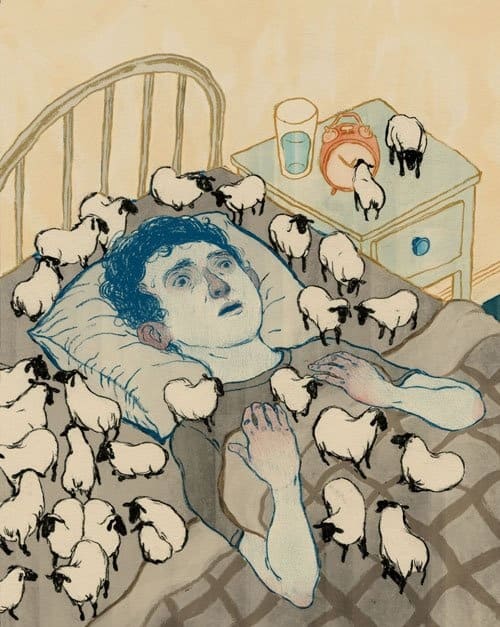
Many people come to therapy and ask themselves why they have so much to manage some emotions. Sometimes anxiety appears without an apparent cause, generating a constant sense of alert or concern.
To understand these processes, it's important to know how we learn how to regulate ourselves emotionally from childhood.
The nervous system and a sense of safety
When a child perceives a threat, their body is activated to respond to danger. Emotional manifestations such as crying, anger or fear then appear.
These responses are part of a biological system designed to help survival.
Learning how to regulate with support
During the first few years of our lives we have insufficient resources to calm ourselves.
We need other people to help us get a sense of safety back and this process is referred to as co-regulation.
Through thousands of emotional support experiences, the child progressively develops his or her ability to autoregulate himself or herself.
When the nervous system remains in alert
Traumatic events are not always necessary to have emotional difficulties.
The absence of sensitive responses or a persistent sense of insecurity can help the nervous system to learn how to stay activated for long periods of time.
According to Manuel Hernandez (2019), when emotional regulating systems do not find sufficient support in the first relationships, increased vulnerability to anxiety and to emotional hyperactivation can develop.
Understanding anxiety from a more comprehensive perspective
Many times anxiety doesn't only talk about what's happening today but about how our body learned how to respond to malaise.
Exploring these processes in therapy allows us to understand our reactions more deeply and to develop new forms of emotional regulation.
References
Hernández, M. (2019). Apego and psychopathology: Anxiety and its Origin. Bilbao: Editorial Desclée de Brouwer, S.A.