

Mauricio’s articles
How does childhood shape the way we relate to others?
Published on 1 June 2026 by Mauricio Peña Lebrón
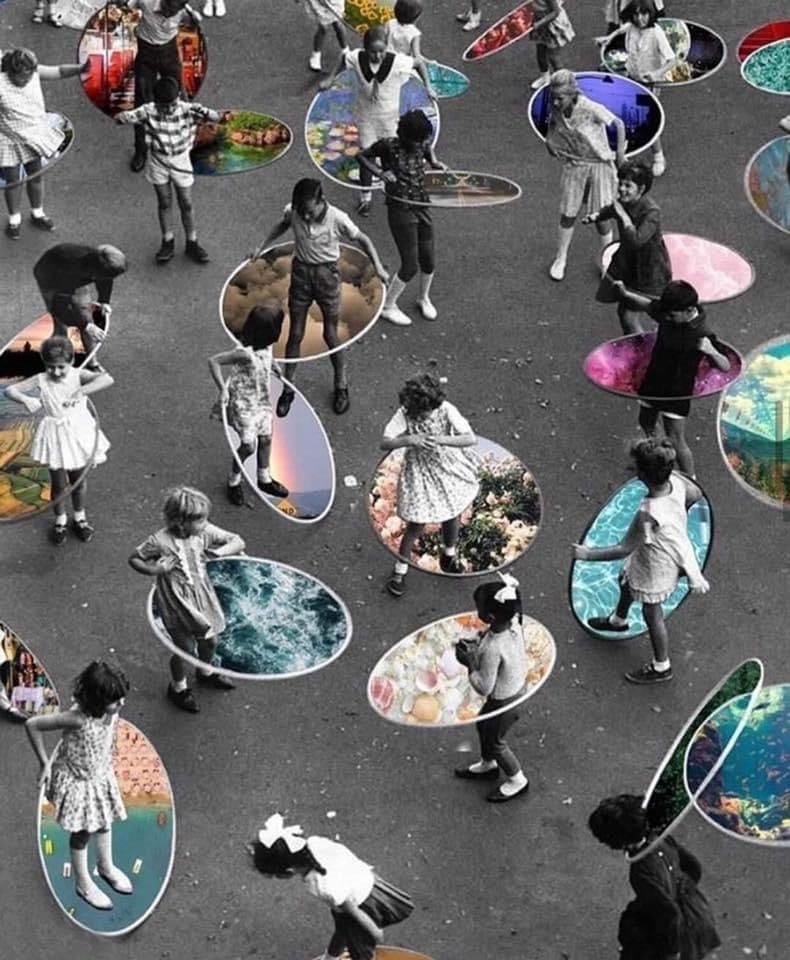
At times we are surprised to react with an intensity that appears to be inconsistent with what's happening today. We feel insecurity, fear of rejection or difficulty trusting others without fully understanding where they come from.
The way we interpret the world, our relations and our emotions begins to be built long before we can consciously remember them.
The brain develops in relation to others
When we are born we depend completely on our care providers. Our nervous system needs interaction with other people to develop healthfully.
The responses we get when we feel fear, discomfort or need for protection are gradually shaping our understanding of security, confidence and connection.
The importance of feeling understood
From the first few years of our lives we need our emotional needs to find an adequate response.
When a child cries, gets scared or feels frustrated, he doesn't only need someone to solve the external situation, but also needs to feel seen, understood and emotionally accompanied.
The ability of care providers to respond to the child's needs is what some authors call complementarity.
The emotional footprint that remains in adult life
The early experiences do not determine our destination but they do contribute to creating functioning patterns that can be sustained throughout our lives.
The way we regulate our emotions, seek support or face difficulties is usually related to these first relational learning.
That's how Manuel Hernández explains Apego and psychopathology: Anxiety and its Origin (2019), psychological development is deeply influenced by early relational experiences and how they organise our emotional regulating systems.
References
Hernández, M. (2019). Apego and psychopathology: Anxiety and its Origin. Bilbao: Editorial Desclée de Brouwer, S.A.