

Mauricio’s articles
Falling in love or becoming obsessed?
Published on 17 February 2026 by Mauricio Peña Lebrón
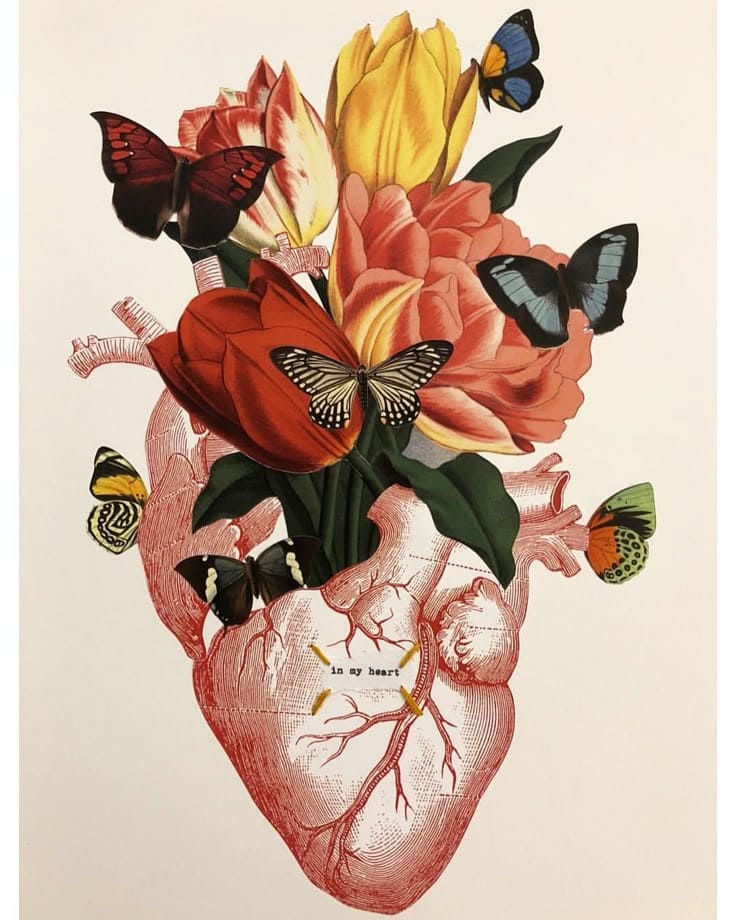
Love and obsession are two very different concepts that get confused and overlap quite easily.
When we meet a new person, our expectations and obsessions are often triggered by the possibility of creating a space where we can receive and express affection. A fantasy begins to be created, in which the needs of each unx are normally met. The motivation, with this person's appearance, will then be greatly focused and dependent on this person. To some extent, this person becomes an external object about which these expectations are projected.
It's useful to ask ourselves, as we have this kind of experience, what part of the relationship that takes place is actually between ourselves and his or her own expectations. Thus, the person we project about remains often without being known or seen with clarity.
We have to ask ourselves, therefore, whether we are in love with a person or with an idyllic and fantastic situation where our affectionate needs and challenges are met.
That phenomenon explain how sometimes, while we are projecting this expectation about a person and another person appears that draws our attention even more, the projection and affection are carried with an surprising ease to this new person.
The projection we are talking about is a process that exists in all of us and that depending on the affective experiences of each unx will be lived with an intensity or another. It's true that the obsessions and compulsions that come to be generated in the context of this process are seeds that cause dissatisfaction.
In a secure relationship, availability and care are vital. Nevertheless, it's important to care how much of this projection we have about each other becomes a demand or expectation.
To look with honesty at what happens within us as these situations occur is an opportunity to know and recognize what, how much and in what way we need the relationship, affection or intimacy. Knowing our needs and affective history can help us better to meet these expectations and to differentiate the phenomena of obsession, dependence and love.
Thus:
- To have tools to care for and protect ourselves if our experience is too intense or overflowing.
- Know how to manage and express our social affective needs in a healthy and conscious manner.
- To have more clarity and to put words to everything that is happening to us.
- To find within oneself a space of calm, satisfaction and companionship to return to.
They can make falling in love a more kindly, honest and conscious experience.
That's how the poet Khalil Gibran said: "Love takes only from itself, because love is good enough for love."
Author: Mauricio Peña Lebrón